
Speaking on health, identity and what it means to heal.
KEYNOTES · PANELS · WORKSHOPS · MEDIA
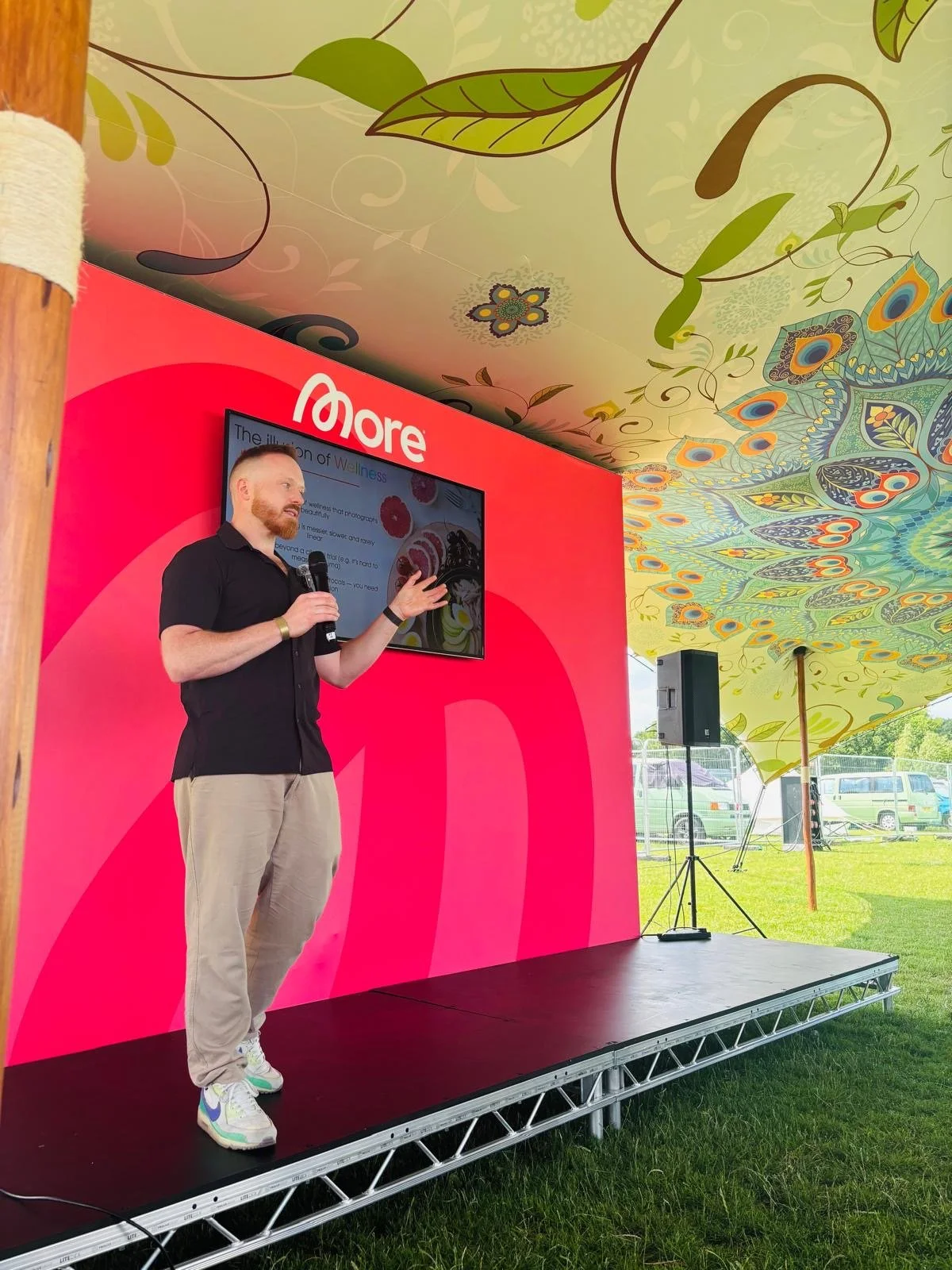
I bring together functional medicine, queer health, body image and lived experience to challenge the stories we have been sold about wellbeing.
My talks are intelligent, warm and unafraid of complexity. They help audiences understand why health is never only about individual choices and what becomes possible when we move beyond shame, control and perfection.
A Different Conversation About Health
Much of modern wellness is built around optimisation, discipline and aesthetics. It tells us that if we follow the right routine, exert enough control and work hard enough, health will follow.
But people do not experience health in a vacuum. Our relationships with food, our bodies and our wellbeing are shaped by identity, culture, stress, shame, belonging and the ways we have learnt to survive.
Drawing on more than fifteen years of clinical practice, lived experience and the themes explored in my books, I make these connections clear without reducing them to slogans or simple fixes.
Audiences leave with a more human understanding of health and a new way of thinking about behaviours that are often dismissed as a lack of knowledge, discipline or willpower.
Signature Talks
Health Beyond Perfection
Why can the pursuit of perfect health leave us feeling less well?
This talk explores the culture of optimisation, the desire for control and what happens when food, fitness and wellbeing become another measure of personal worth. It offers a more sustainable way to think about health, performance and the relationship we have with our bodies.
The Missing Context in Queer Health
Queer health is not simply mainstream health advice with a rainbow attached.
This talk explores how minority stress, shame, belonging, discrimination, access to care and cultural pressure influence physical and mental health. It shows why organisations and professionals must understand identity and lived experience to offer meaningful support.
Letting Go of Perfect
A candid exploration of body image, body dysmorphia and the pressure to become a version of ourselves that feels worthy of belonging.
Drawing from my book Letting Go of Perfect, I explore gay male body culture, comparison, control and the cost of appearing successful while living in conflict with your body. The talk asks what healing can look like when it is no longer treated as another self-improvement project.
Why Understanding Your Trauma Is Not Always Enough
Many people understand where their patterns come from yet still find themselves repeating them. In this talk, Daniel explores why insight alone does not always create change, how trauma is held in the body and nervous system, and what breathwork, somatic practice and altered states can reveal about healing. Drawing on his clinical experience, trauma training and work in psychedelic integration, he examines why some forms of change need to be experienced rather than simply understood.
These talks are suitable for businesses and leadership teams, workplace wellbeing programmes, healthcare organisations, universities, LGBTQ+ networks, Pride and community events, conferences, festivals, fitness organisations, media platforms and public audiences.
The subjects above are starting points rather than fixed packages.
Every talk can be adapted to the audience, setting and level of depth required, and themes can be combined to create something appropriate for the event and the conversation you want to have.
Speaking Formats
I am available for:
Keynotes
Corporate and workplace talks
Interactive workshops
Panels and fireside conversations
Pride and LGBTQ+ employee-network events
University and healthcare events
Media interviews and expert commentary
Online and international engagements
Where appropriate, a brief optional grounding or breath-based practice can be included. These practices support reflection and never replace the central talk or require audience disclosure.
About Daniel
Daniel O’Shaughnessy is a Functional Medicine Certified Practitioner, nutritionist, author and speaker with more than fifteen years of clinical experience.
His work brings together functional medicine, nutrition, queer health, body image and healing. He is the author of Letting Go of Perfect: A Gay Man’s Guide to Healing from Body Dysmorphia, and The Queer Guide to Nutrition and Lifestyle.
Daniel combines evidence-informed thinking with lived experience, allowing him to make complex and sensitive subjects accessible without stripping them of their depth.
What People Say
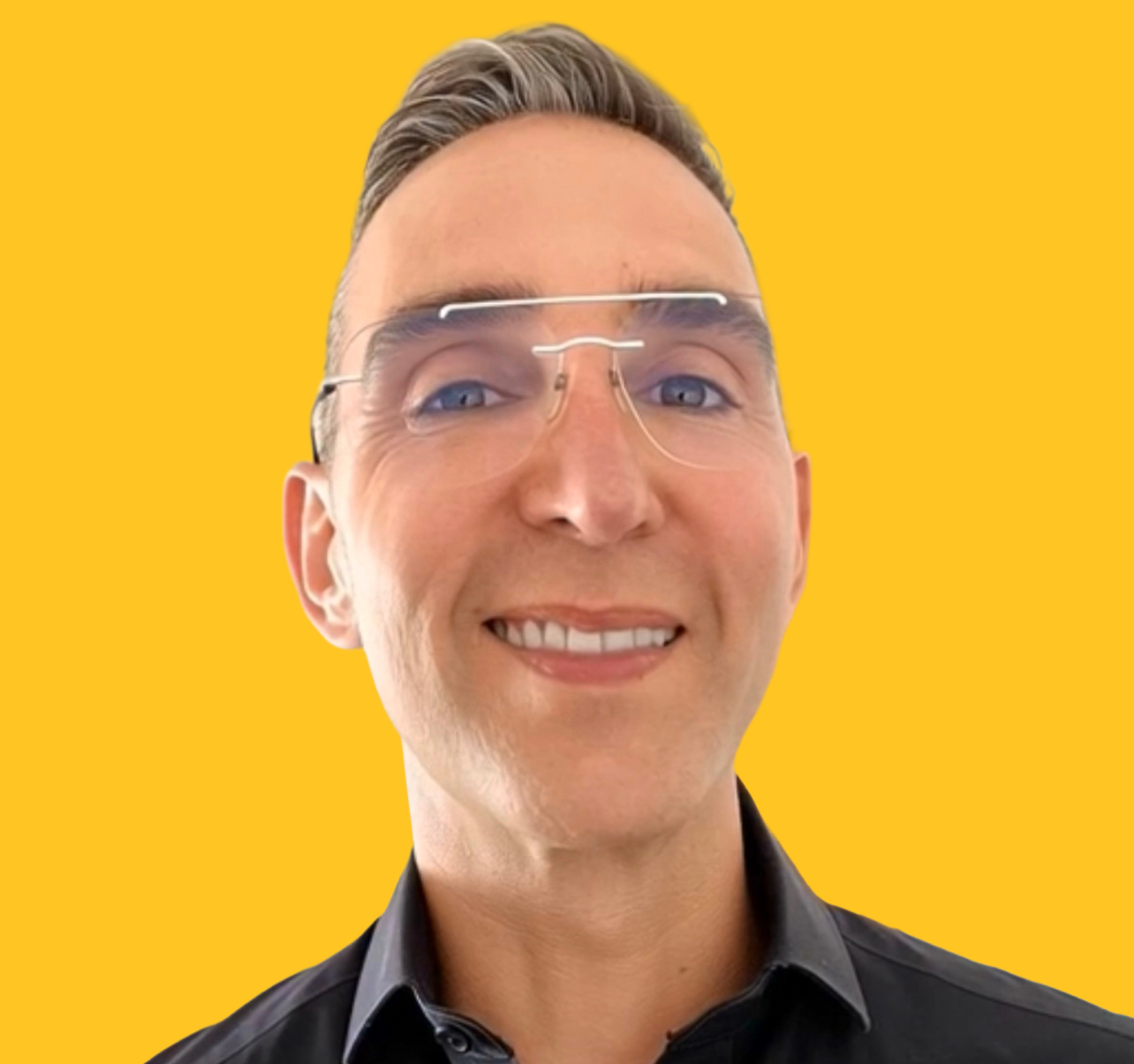
“I invited Daniel O’Shaughnessy to speak at our corporate retreats because our clients need wisdom that is practical, clear, and deeply human. Daniel has a rare gift for taking complex ideas about health, identity, stress, and healing, and presenting them in a way that is easy to understand and immediately applicable. His talks combine evidence-informed frameworks with lived experience, so the material feels grounded and real, not abstract or esoteric. Daniel makes healing accessible for audiences who typically expect business language and logic, and he consistently receives the highest praise from participants for changing how they think about wellbeing, resilience, and the connection between mind and body. I recommend him without reservation for any corporate event where you want insight that feels both intelligent and deeply human.”
Dr Miguel Toribio-Mateas, Clinical Neuroscientist and Workplace Wellbeing Consultant.


Frequently Asked Questions
-
No. My work is grounded in queer health and lived experience, but the wider themes of identity, stress, body image, belonging and perfectionism are relevant to many audiences. Talks are adapted to suit the setting without removing the integrity of the work.
-
Yes. The framing, examples and level of depth can be adapted to your audience, objectives and setting. Any tailoring or additional preparation will be agreed before the booking is confirmed.
-
The talks are honest and reflective, but they are not designed to overwhelm audiences or push people into disclosure. Sensitive themes are approached carefully and with appropriate context.
-
Yes. Talks can be delivered online, in the UK or internationally. Travel, accommodation and additional preparation are quoted separately where applicable.
-
Fees vary according to the format, audience, preparation, location and usage requirements. Corporate and international engagements are quoted individually. A limited number of reduced-fee community bookings may be considered where appropriate.
Start a Conversation
If you are planning an event, workplace programme, panel or media conversation, tell me about the audience, proposed date, location and what you would like the session to achieve.